In recent years, the aquaculture industry has undergone a technological transformation — and at the heart of this revolution is RAS (Recirculating Aquaculture System) technology. This modern approach to fish farming combines sustainability, efficiency and productivity making it a preferred choice for commercial fish farmers worldwide.
What is RAS Technology?
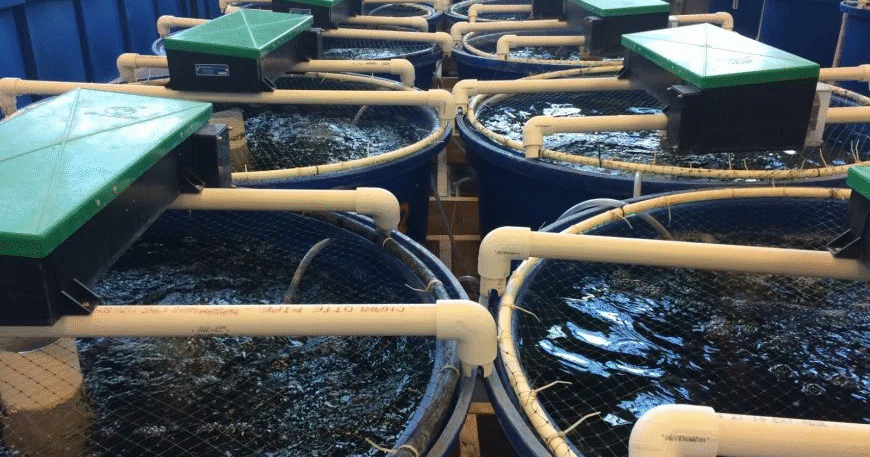
RAS, or Recirculating Aquaculture System, is an advanced fish farming method that continuously filters and reuses the same water within the system. Instead of traditional open ponds or cages, RAS uses closed-loop systems equipped with mechanical and biological filtration units. These systems maintain high water quality while reducing the need for large water sources — a major step forward in sustainable aquaculture.
How RAS Works
The system operates by circulating water from the fish tanks through a series of filters that remove solid waste, ammonia, and other impurities. After filtration, oxygen is added to the water before it’s recirculated back to the tanks. This process ensures that fish always live in clean, oxygen-rich water, promoting healthier growth and reducing disease risks.
Benefits of RAS Technology in Fish Farming
- Water Conservation: Uses up to 90–95% less water than traditional methods.
- High Stocking Density: Allows more fish to be raised in a smaller space.
- Better Disease Control: Closed systems reduce exposure to pathogens and parasites.
- Year-Round Production: Farmers can control environmental conditions such as temperature and oxygen levels.
Eco-Friendly: Minimizes waste discharge and environmental pollution.
Applications of RAS Technology
RAS technology is widely used for farming species such as tilapia, trout, salmon, and shrimp. It’s also ideal for hatcheries, broodstock management and research facilities. This adaptability makes it suitable for both small-scale and commercial fish farmers.
The Future of Aquaculture
As global demand for seafood continues to rise, RAS technology offers a pathway toward sustainable and scalable fish farming. By integrating smart monitoring and automation, RAS ensures optimal growth conditions, helping farmers achieve higher yields with minimal environmental impact.
Conclusion
RAS technology for fish farming represents the future of sustainable aquaculture. By conserving water, improving efficiency and ensuring fish health, it provides a perfect balance between productivity and environmental responsibility. Adopting RAS is not just a smart business move — it’s a commitment to the planet’s future.